
Short answer: Stop measuring success by visits and start measuring website traffic that turns into leads. Track every call, form and quote request as a lead. Then build SEO pages and Google Ads campaigns for the people who are ready to hire, and cut the traffic that never converts. Done right, your total traffic can even drop while your leads hold steady.
I’ve run One With Digital in Grand Rapids since 2008, and the most common thing I hear from business owners is some version of “we need more traffic.” Usually what they need is more of the right traffic and a way to see which visits turned into calls. Here’s how we approach it, with real numbers, including the ones that don’t look great.
Traffic is a signal. Leads are the result.
A lead is someone who raised their hand: they submitted a form, tapped to call or clicked “get a quote.” Sessions and impressions only tell you people showed up.
So the first thing we do for any client is make those actions measurable. In Google Analytics 4 we mark them as key events. That’s Google’s term for actions “particularly important to the success of your business.” In Google Ads we track conversions, so ad spend gets judged on calls and form fills, not clicks. If an action isn’t tracked, we don’t count it as a win.
A real example: traffic down, leads steady
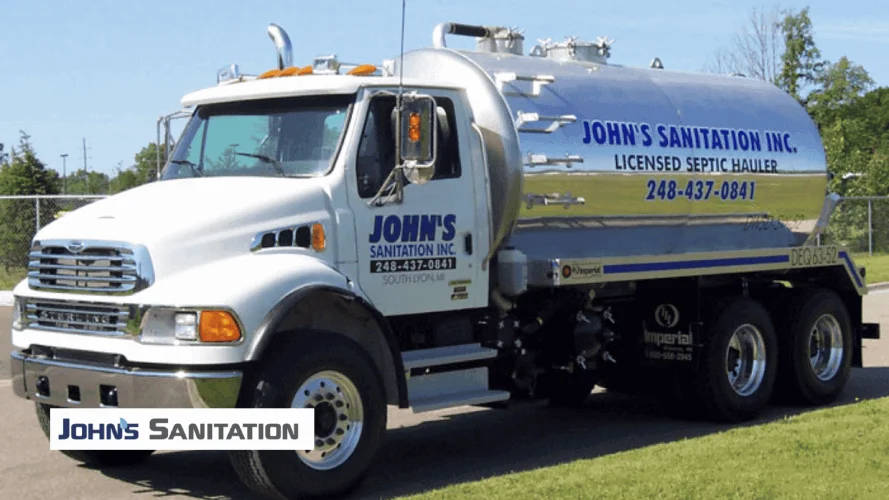
John’s Sanitation is a septic service and portable restroom trailer company in South Lyon, Michigan. We rebuilt their site and put GA4 tracking on every form, the quote and scheduling button, and calls. We built seasonal landing pages for septic service and restroom trailers, and we measure their Google Ads on completed lead forms.
Here’s what GA4 shows for October 2025 through September 2026, compared with the 12 months before:
- Total sessions: down 7.4%
- Paid sessions: down 25.2%
- Organic sessions: up 9% (6,872 vs. 6,304)
- Engaged sessions: up 6.6%
And the lead actions tracked over those same 12 months:
- 572 contact form submissions
- 212 click-to-call taps
- 388 quote button clicks
If all you looked at was the top-line traffic chart, you’d call that a bad year. But the visits that matter, organic and engaged, went up, and the site kept producing hundreds of tracked leads. That’s why we measure leads and not just traffic. Traffic totals can fall while leads hold up, and you only know which is happening if the tracking is in place.
Chase hire-intent searches, not vanity traffic
Not all traffic is created equal. A homeowner searching for septic pumping in their town is worth more than a hundred people reading a general “how septic tanks work” article from another state.
Google’s helpful content guidance says it plainly: content “primarily made to attract visits from search engines” is a warning sign. I’d add that it’s also a budget leak. We build SEO pages around what a ready-to-buy customer types, the questions they ask right before they call, and the services you want more of. For service-area businesses, local SEO is a big part of that. Google says local results are based mainly on relevance, distance and prominence.
How long do SEO traffic results take?
Honestly, it varies, and anyone who gives you a guaranteed date is guessing. Google’s own SEO Starter Guide says some changes “might take effect in a few hours, others could take several months,” and suggests waiting “a few weeks” before judging a change. Google also says no one can guarantee a #1 ranking.
What you can control is being ready. If lead tracking is set up on day one, you’ll know whether new rankings bring calls or just visitors.
Where Google Ads fits
Google Ads is the faster lever. It makes sense when you need leads now, when you have a seasonal push coming (restroom trailers before event season, for example), or while SEO is still building. The rule I hold to is to optimize toward completed lead forms, not clicks. Clicks are easy to buy, and leads are what you’re actually paying for.
At John’s, paid sessions were down 25.2%. Paid traffic dipped. The Google Ads budget we manage is small and focused on septic lead forms, and GA4’s paid numbers also include ads we don’t run. Tracked leads still held steady.
We’re testing this on our own site
I don’t want to give advice I haven’t tried myself. Over four weeks in September and October 2026, onewithdigital.com earned about 9,500 impressions in Google Search and just 5 clicks. Google is showing us, and almost nobody is clicking. In October 2026 we started refreshing the pages that get impressions but no clicks. The results aren’t in yet, and I’ll share them either way.
AI search is a new door, with the same rules
A home health care company recently told us they found us by asking an AI assistant for Google Ads consulting help. The lesson for me is that the basics still win. You need clear service pages, real proof and an easy way to reach you. You also have to track where leads come from, because people now find businesses in more places.
The mistake I see most
Business owners judge marketing by the traffic chart instead of the phone and the inbox. They celebrate a spike that brought no calls, or panic over a dip while leads held steady.
A few years ago we launched a site for a short-term rental property. Traffic started coming in right away, and by the usual measure it looked like a win. But the bookings weren’t following. Visitors were looking and leaving. So we stopped chasing more visitors and fixed the path to a booking. We built a tool that connected the property to several short-term rental platforms in one place, so people could book where they already trusted. Occupancy climbed to more than 70%. The traffic was never the problem. The problem was that nothing turned a visitor into a booking.
Checklist: website traffic that turns into leads
- Put a click-to-call button and a short form on every key page, and make sure they work on mobile
- Add a clear quote or scheduling button
- Track each form, call tap and quote click as a GA4 key event
- Optimize Google Ads toward completed lead forms, not clicks
- Build landing pages for your money services and your seasonal peaks
- Find pages with impressions but no clicks in Search Console, and rewrite their titles and content to match what searchers want
- Review leads by channel every month, not just sessions
- Ignore any vendor who guarantees rankings
For Crossroads Eldercare Options here in Grand Rapids, that same thinking shaped the website redesign. It added click-to-call and SMS-enabled forms, alongside SEO and Google Ads, so families can reach them in whatever way is easiest.
FAQ
Can my website traffic go down while my leads hold steady?
Yes. At John’s Sanitation, total sessions fell 7.4% (Oct 2025–Sep 2026 vs. the prior year) while organic sessions grew 9% and GA4 tracked 572 form submissions, 212 call taps and 388 quote clicks.
What counts as a lead from my website?
Any action where someone asks to hear from you, like a submitted form, a click-to-call tap or a quote or scheduling request. Track each one as a GA4 key event.
Should I start with SEO or Google Ads?
Ads can produce leads quickly and help with seasonal demand, while SEO builds over time. Many local businesses use both. Measure both on leads, not clicks.
How long does SEO take to bring in leads?
There’s no guaranteed timeline. Google says some changes take hours and others several months, and it recommends waiting a few weeks to judge a change.
How do I pick a partner to do this?
Ask how they measure leads, not just traffic, and avoid anyone who guarantees rankings. Our guide on how to choose a digital marketing agency goes deeper.
Want to know which of your visits are turning into calls?
If you’re not sure whether your website traffic turns into leads, that’s the first thing we’d look at together. Talk with our Grand Rapids team and we’ll show you what’s tracked, what’s missing and where we’d start. No pressure and no guarantees, just a straight look at your numbers.